
How Kidney stones are formed
Kidney stones are formed due to supersaturation of urine. This leads to crystal formation and these further aggregate to form a kidney stone.
The formation of kidney stone starts at the tip of calyces. The natural history of kidney stones is, that either they grow at the site or they pass out into the pelvi calyceal system, through the ureter into the bladder and then out through the urethra.
The kidney stone may lie silently in the kidney or it may be symptomatic in the form of a dull aching pain in the flank. When the stone passes into the ureter, the pain is usually acute, colicky, travelling from the back to the abdomen and may radiate to the genitalia (depending on the size of the stone), while the stone in the bladder normally presents as pain in the lower abdomen, as a burning sensation while passing urine or as an interrupted flow of urination. (Very often this is associated with vomiting and nausea). All above may be associated with blood in the urine.
For Consultation & Treatment
We offer affordable, highest-quality urology care. A cashless facility and empanelment with all major health insurance companies is also available.
PCNL,as evident from the name, involves a tract formed artificially from the skin up to the kidney’s Pelvic-Calyceal system, which normally contains the kidney stone. This tract is maintained by a hollow tube through which the endoscope is passed into the kidney, and the kidney stone is fragmented with an energy source and removed in chips.
Reccurent Kidney Stone Disease and Metabolic Work Up
Recurrence of kidney stone is as high as 50% in 5 years of the first kidney stone presentation . There is an increase in prevalence of kidney stone disease globally. It may be attributed to changing affluent dietary habits, increased prevalence of diabetes and obesity, migration from cooler rural setting to urban area and global warming.
Evaluation of kidney stone formers includes: careful medical history, social and family history, dietary evaluation, occupation and laboratory evaluation.
Kidney stones are known to increase with obesity, hypertension and are a harbinger for Diabetes.
Laboratory investigation for all stone formers are:
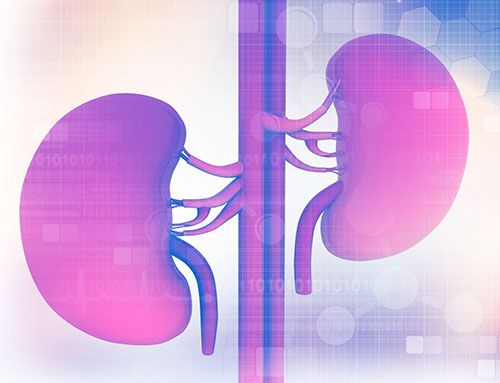
Laboratory Evaluation Of Kidney Stones Nephrolithiasis:
Stone composition:
Serum chemistry:
Urinalysis:
24-hour urine analysis:
Role Of Diet in Kidney Stones
If some abnormality is picked up in the metabolic evaluation of kidney stone patient then specific diets as prescribed by the nutrinitional dietian are required.
If no abnormality is picked up in the metabolic evaluation of the kidney stone patient, the instructions are:
A kidney stone patient should be aware of certain facts
Share This:
Request Appointment or Call us at 9915286238
Thank you for your interest. Feel free to contact us for any query or information. Please fill the form below and one of our representatives shall get in touch with you shortly.